


Scoping Our Planet
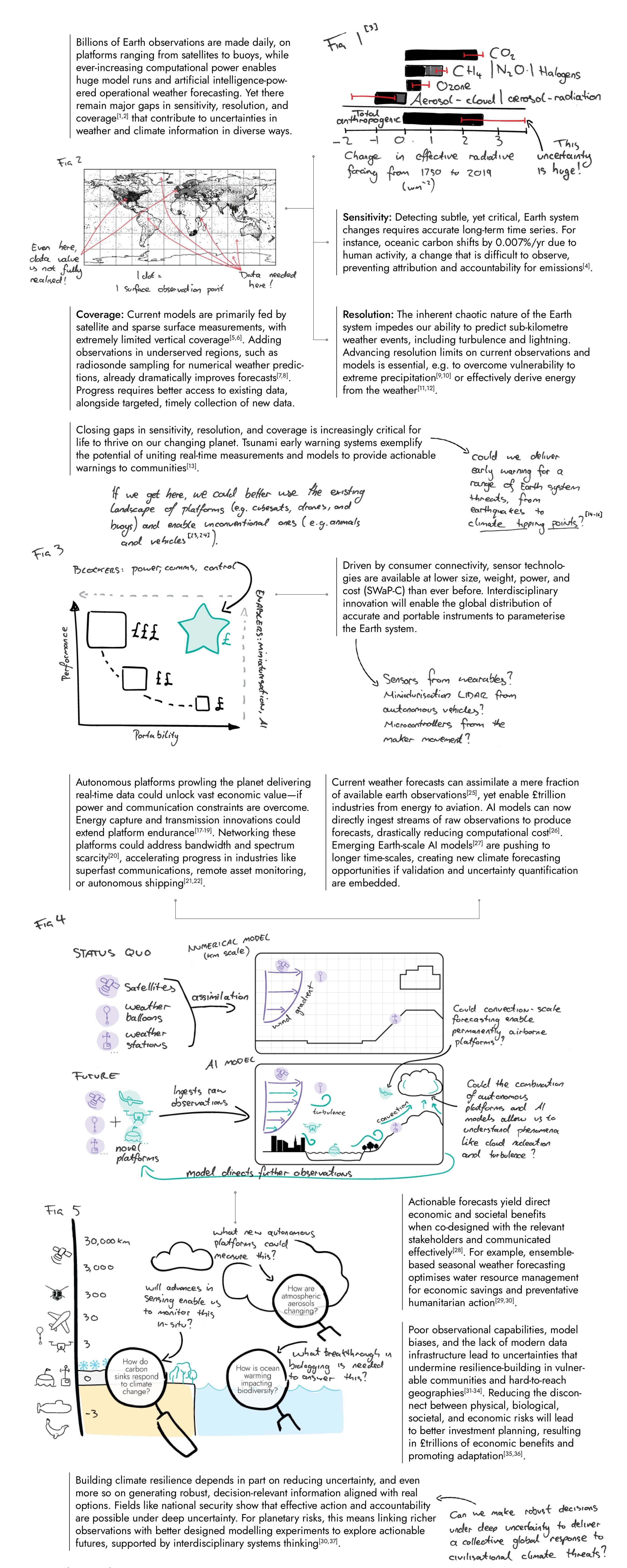
Our understanding of the Earth system is limited by serious measurement and modelling gaps that lead to unacceptable uncertainties in weather and climate predictions. By cultivating frontier technologies, from measurement platforms to artificial intelligence models, we can fill these gaps and generate actionable knowledge to serve society in diverse and so far impossible ways.
What if we could close the gaps in our understanding of the Earth system?
Defined by our Programme Directors, opportunity spaces are areas we believe are likely to yield breakthroughs.
In Scoping Our Planet, we seek to unite frontier platforms, sensors, and AI models to revolutionise our understanding of our Earth system, maximise planetary resilience and revolutionise global business.
Core beliefs
The core beliefs that underpin this opportunity space:
Earth measurement and modelling gaps exist in space and time → closing these gaps is crucial to unlock actionable information.
A dynamic interplay of frontier platforms, sensors, and models could parameterise the entire Earth system → the resulting forecasts will revolutionise global business and maximise planetary resilience.
Technological innovation alone is not enough; fragmentation of Earth system research, disconnected from the needs of industry, policymakers, and society, is severely impeding progress → transforming data into knowledge and accountability is vital for a future of human prosperity on a flourishing planet.
Programmes
To build a programme within an opportunity space, our Programme Directors direct the review, selection, and funding of a portfolio of projects.
In Scoping Our Planet, we seek to unite frontier platforms, sensors, and AI models to parameterise the Earth system. By linking richer observations with better modelling and new platform technologies, we can unlock trillions in economic value and maximise planetary resilience.
Forecasting Tipping Points
Backed by £81m, this programme combines expertise in observation and modelling with innovative sensing systems, to develop a proof-of-concept for an early warning system for climate tipping points. By confidently predicting when a system will tip, what the consequences may be, and how quickly that change may unfold, we’ll equip society with the information it needs to build resilience and accelerate proactive climate mitigation.
Enduring Atmospheric Platforms
Backed by £50m, this programme looks to create a resilient and sustainable platform layer between Earth and space. Success will be measured by a single, galvanising demonstration: keeping a platform aloft for one week while maintaining line-of-sight to a fixed ground point and continuously powering a 300W payload. If possible, this technical breakthrough will provide the physical backbone required for next-generation advanced communications, serving as a critical enabler for the projected £13–20 trillion annual economic potential of AI.
Meet the programme team
Our Programme Directors are supported by a core team that provides a blend of operational coordination and highly specialised technical expertise.
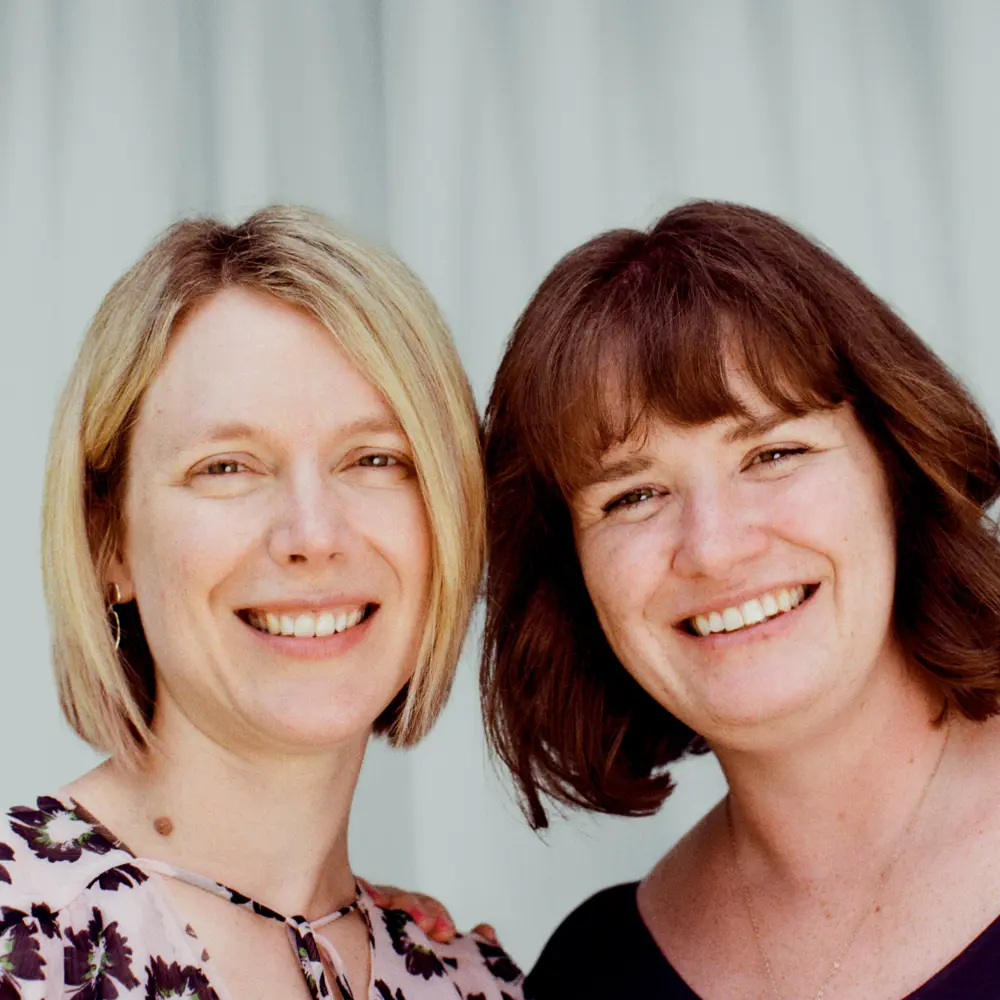
Gemma Bale + Sarah Bohndiek
Co-Programme Directors
Gemma Bale and Sarah Bohndiek are biomedical physicists working as co-Programme Directors. They both joined ARIA from the University of Cambridge, where Gemma continues to lead teams working on non-invasive brain monitoring, and Sarah in optical imaging technology for earlier cancer detection.
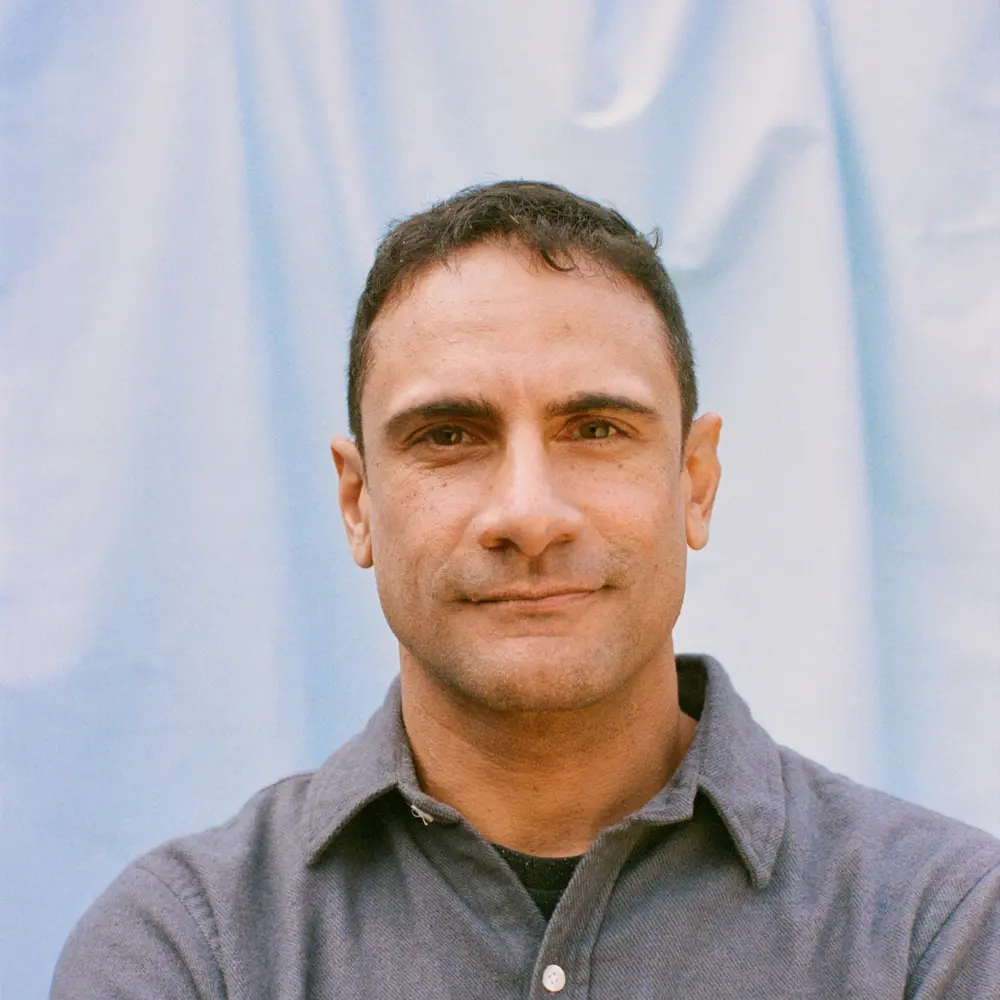
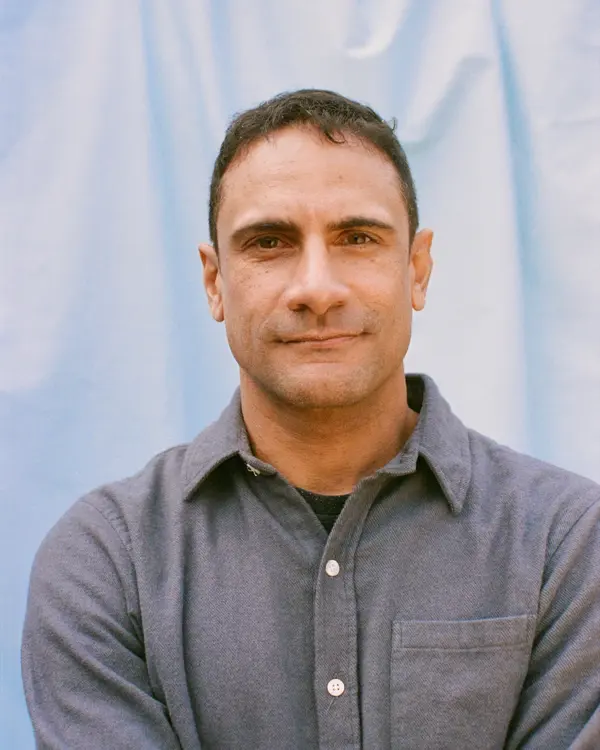
Rico Chandra
Programme Director
Rico is a repeat founder who cut his teeth at the frontier of defence technologies. He has advised governments, investors, and high-growth companies on emerging tech and their strategic impact. He founded Arktis Radiation Detectors, whose systems are now deployed worldwide. Rico holds a PhD in dark matter detection from CERN and an MSc from ETH Zurich.
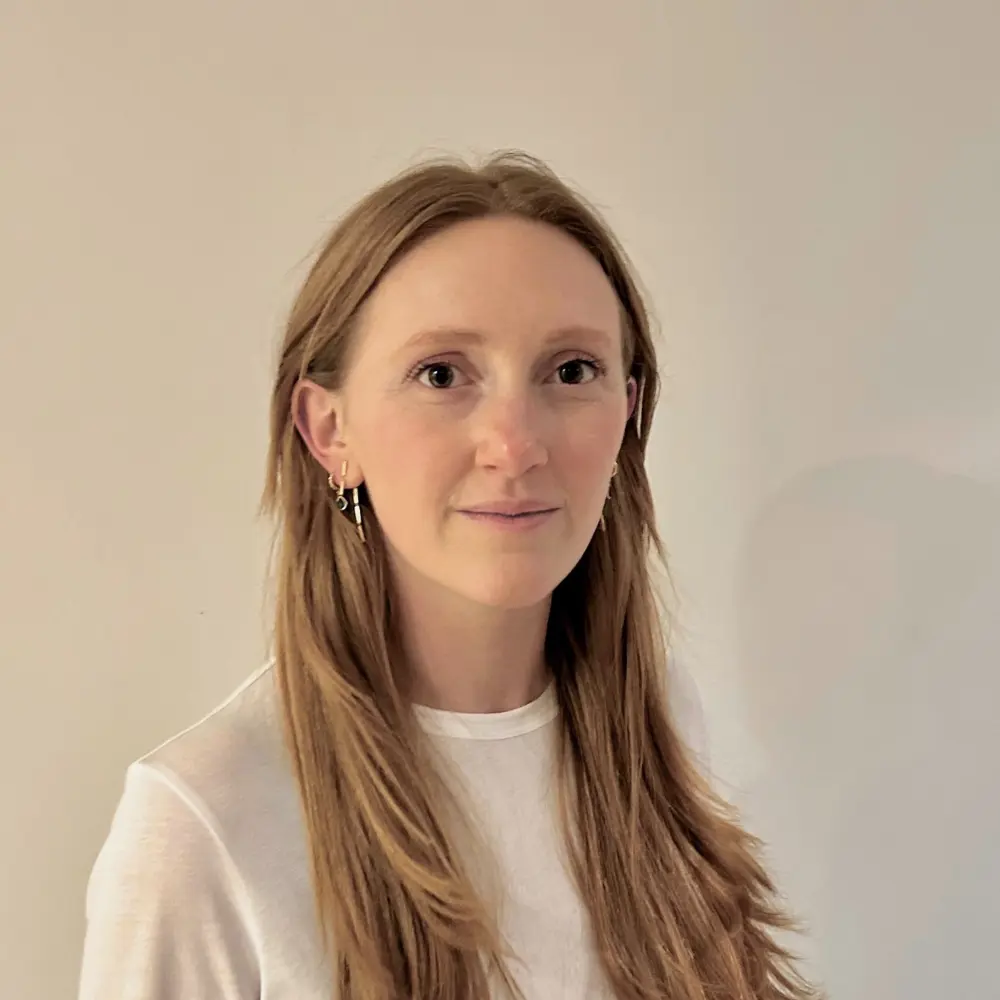
Jess Humphreys
Programme Specialist
Prior to working with ARIA, Jess built a career innovating clinical trial management at tech SMEs, where she led teams developing interactive response technology platforms to streamline trial processes, and oversaw global data management and quality control at neuroimaging facilities. Jess supports Gemma + Sarah at ARIA as an operating partner from Pace.
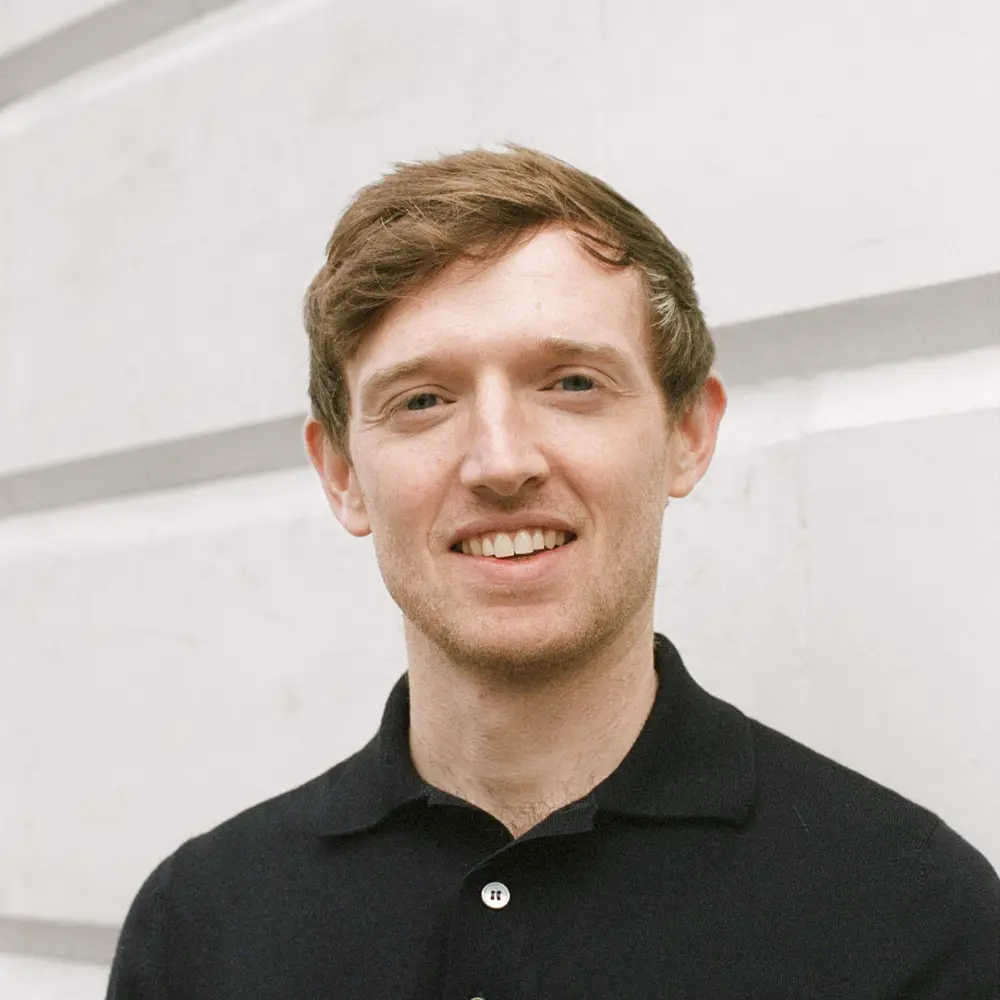
Dan Giles
Technical Specialist
Dan has a diverse academic background in applied mathematics, statistics, and computer science, with a focus on developing and enhancing ocean and atmospheric models. He joined ARIA to work with Gemma + Sarah from University College London, where he is a Senior Research Fellow in machine learning for weather and climate sciences.

Nivashinee Krishnakumar
Programme Specialist
Nivashinee has more than five years’ experience in programme management and project delivery. She led high profile projects at a leading global technology consultancy and has worked within delivery management in a variety of industries, ranging from edtech and life sciences to the aviation aftermarket. Nivashinee supports Rico at ARIA as an Operating Partner from Pace.