


Enduring Atmospheric Platforms
Backed by £50m, this programme sits within the Scoping Our Planet opportunity space and aims to develop low-cost, persistent, and autonomous atmospheric platforms.
Our goal
Ubiquitous, high-performance connectivity will be a critical enabler for the projected £13–20 trillion annual economic potential of AI. To meet this demand, the world requires a new class of technology that is lower cost than both terrestrial towers and satellites. This programme aims to build that missing link by unlocking the stratosphere as a persistent operating environment.
We are backing teams to solve the interdependent challenges of flight and energy to create a resilient and sustainable platform layer between Earth and space. Success will be measured by a single, galvanising demonstration: keeping a platform aloft for one week while maintaining line-of-sight to a fixed ground point and continuously powering a 300W payload. This technical breakthrough will provide the physical backbone required for next-generation advanced communications.
Read the accessible version of the programme thesis
Technical Areas
We are funding ambitious projects across 3 Technical Areas (TAs) to solve the interdependent challenges of stratospheric endurance.
Enabling Technologies
Focused on game-changing enabling technologies — such as power beaming, high-density energy storage, or novel materials — that make the development of a full system comparatively low risk.
System Integration + Testing
Focused on developing and testing the platforms to achieve the primary metric: continuous delivery of power to a payload while keeping station.
Deployment + Communications Architecture
Focused on technical, regulatory and commercial viability.
Request for proposals live until 22 May 2026
This programme is a 3.5-year effort focused on technical de-risking for low-cost, long-endurance aircraft that enable scalable high-altitude communications. To support the researchers and organisations funded to bring these breakthrough ideas to life, we are seeking proposals for segregated testing space, platform guidance, and validation.
Meet the programme team
Our Programme Directors are supported by a core team that provides a blend of operational coordination and highly specialised technical expertise.
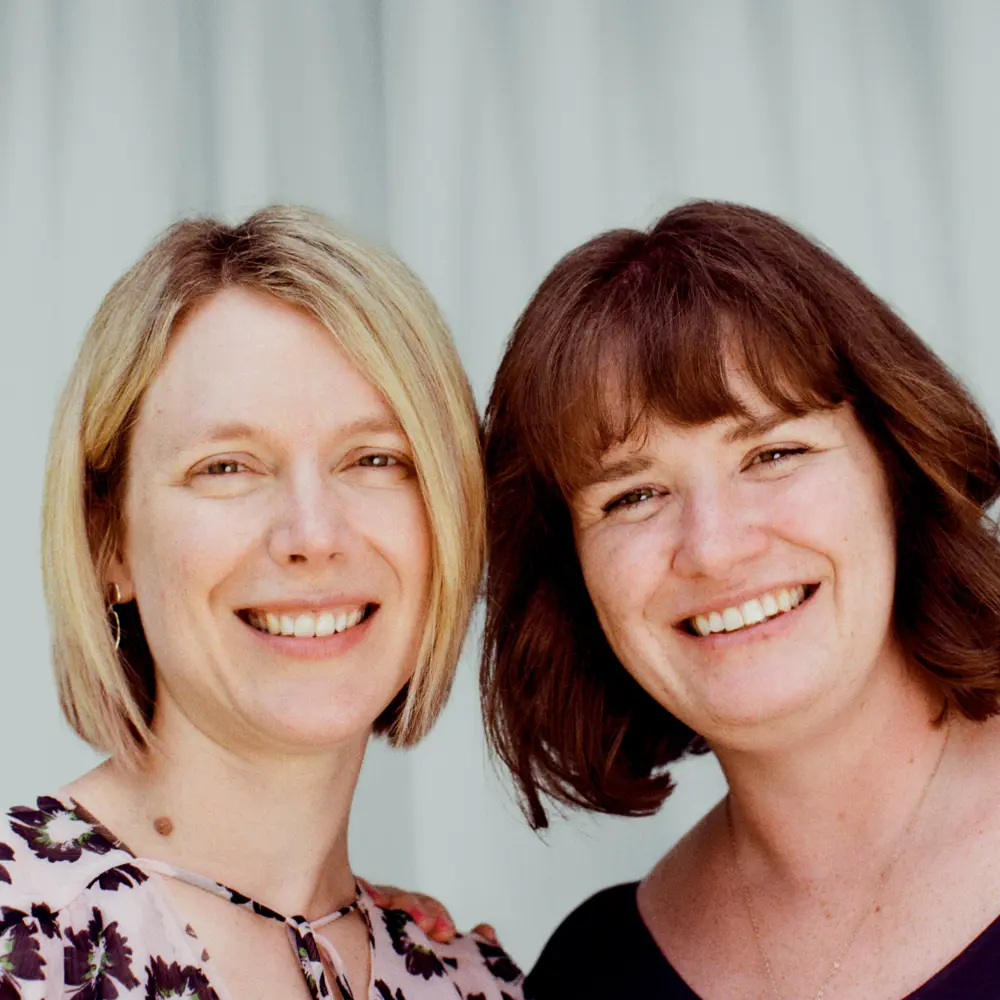
Gemma Bale + Sarah Bohndiek
Programme Directors
Gemma Bale and Sarah Bohndiek are biomedical physicists working as co-Programme Directors. They both joined ARIA from the University of Cambridge, where Gemma continues to lead teams working on non-invasive brain monitoring, and Sarah in optical imaging technology for earlier cancer detection.
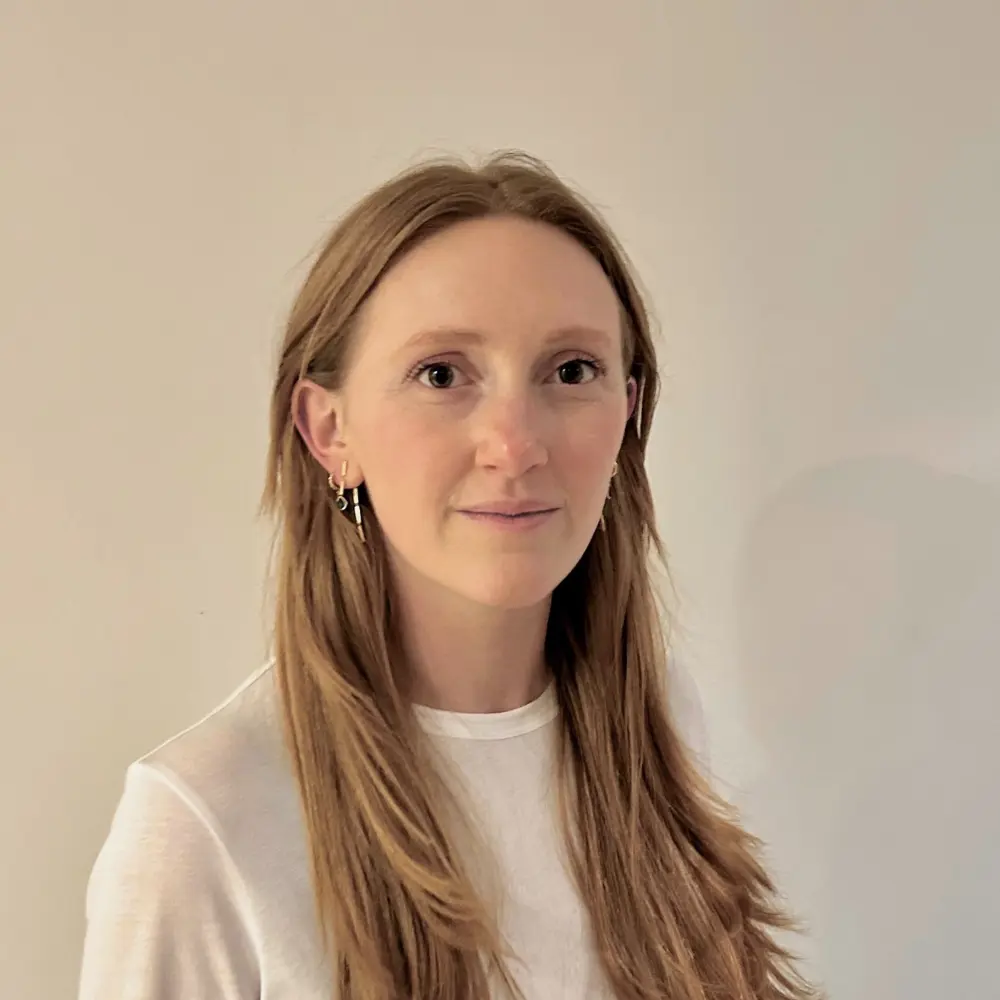
Jess Humphreys
Programme Specialist
Prior to working with ARIA, Jess built a career innovating clinical trial management at tech SMEs, where she led teams developing interactive response technology platforms to streamline trial processes, and oversaw global data management and quality control at neuroimaging facilities. Jess supports ARIA as an operating partner from Pace.
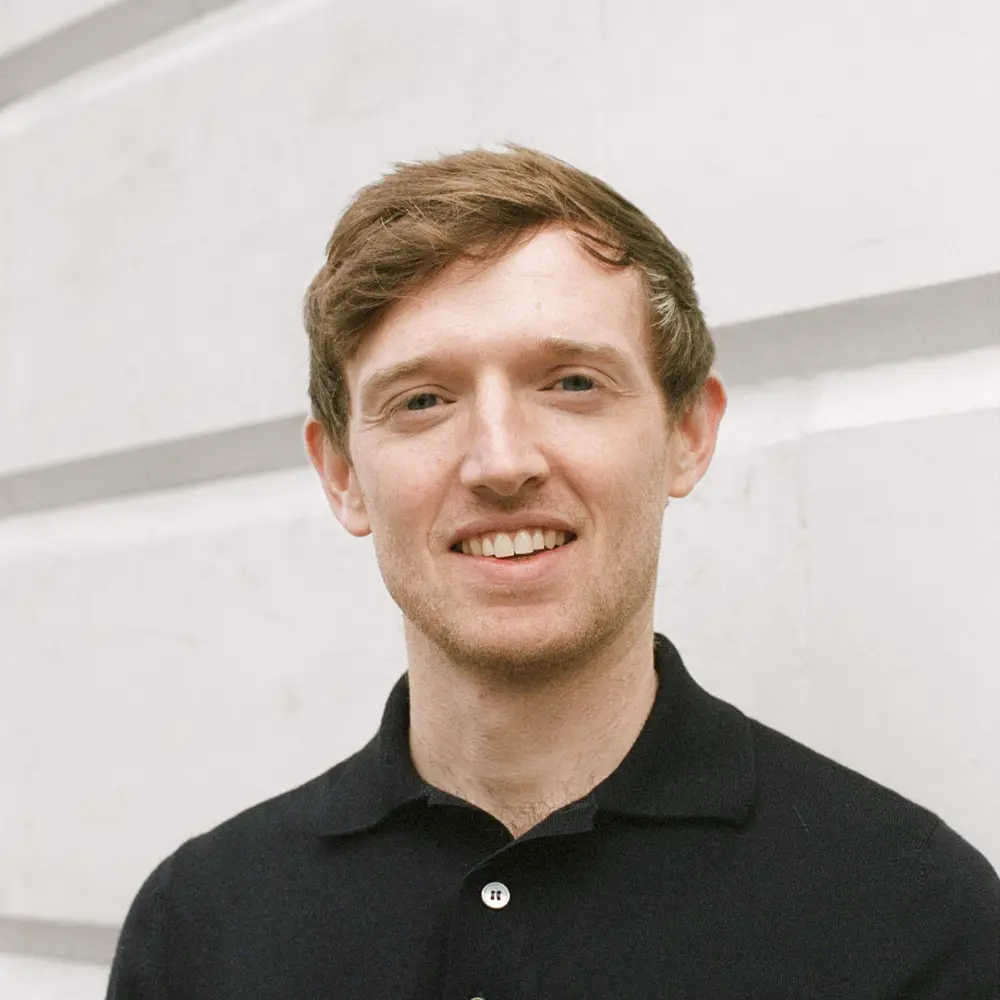
Dan Giles
Technical Specialist
Dan has a diverse academic background in applied mathematics, statistics, and computer science, with a focus on developing and enhancing ocean and atmospheric models. He joined ARIA from University College London, where he is a Senior Research Fellow in machine learning for weather and climate sciences.
Scoping Our Planet
In Scoping Our Planet, we seek to unite frontier platforms, sensors, and AI models to revolutionise our understanding of our Earth system, maximise planetary resilience and revolutionise global business.
Forecasting Tipping Points
This programme aims to create an early warning system for tipping points that equips the world with the information we need to build resilience and accelerate proactive climate adaptation.